
Packing Checklist for a Day Trip to a Remote Island Beach
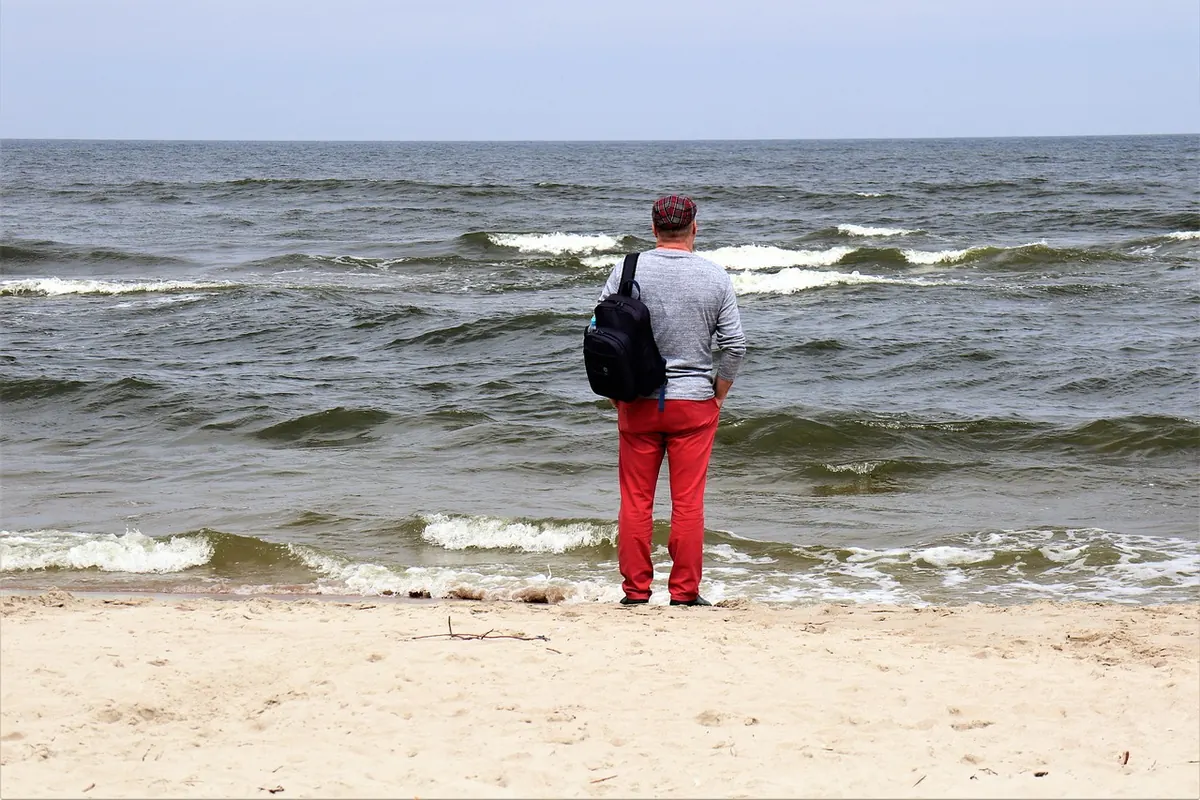
The boat leaves at nine. By nine-twenty you are standing on a strip of sand with no shop, no tap, no shade and no bin — and, if the weather turns, no quick way back. That is precisely the appeal. It is also why a day trip to a boat-access beach rewards about fifteen minutes of packing thought the night before. Nothing on this list is exotic. It is all the ordinary stuff you would grab without thinking if there were a kiosk fifty metres away. There isn't.
Water, and More Water Than You Think
Assume you will drink more than you would at home. Salt, wind and sun all push thirst up, and swimming makes people hungry and dry in equal measure. On a beach with no freshwater tap, the water you carry is the whole supply — for drinking, for rinsing sandy hands before lunch, for flushing a cut, for wetting a towel to drape over a hot head.
A practical rule for a full day out: bring at least two litres per person, and add another bottle for the group to share. Freeze one bottle half-full the night before; it works as a cool pack for the food bag and then becomes cold drinking water by early afternoon. Bring a wide-mouth bottle rather than a narrow one, because you will want to pour, not sip.
If you are taking a cooler, remember that ice is water too. A bag of ice in the bottom keeps cheese and fruit safe for hours in a way a warm bag never will, but meltwater soaks everything it touches, so pack food in sealed containers rather than loose in the bag.
Sun Protection That Survives Wind and Salt
Sunscreen alone is a weak plan for six hours of open beach. It works best as part of a layered approach.
- A long-sleeved shirt, light and loose, for the middle of the day. Fabric beats cream, especially when you are wet and the wind is up.
- A wide-brimmed hat with a chin strap. On an exposed island the wind will take a loose hat within the hour.
- High-factor sunscreen, applied before you leave the harbour, and reapplied after swimming and after lunch. Cream in a solid stick or a small tube is easier to carry than a big bottle.
- Lip balm with sun protection — an easily forgotten item that people notice by mid-afternoon.
- Sunglasses with a strap, plus a spare pair if you know your habits.
- A light sarong or large cotton scarf. Shade for your shoulders, a towel, a pillow, a cover-up for the boat ride home.
Real shade is worth arranging in advance. A compact beach umbrella or a lightweight tarp and two poles turns a bare beach into somewhere you can sit out the hottest two hours without roasting. If you are carrying a tarp, bring cord as well as poles; there is often a rock, a scrub bush or a boat cleat that does the job better than an extra pole.
If you take medication that heat or sun affects, or you have a health condition that makes dehydration riskier, talk to your doctor before you go. A remote beach is a poor place to discover that something does not agree with you.
The Dry Bag and the Small Kit That Saves the Day
Everything valuable — phone, keys, wallet, camera — should travel in a dry bag, not a tote. Sand gets into zips, salt stiffens them, and a wave can reach a bag sitting on a towel while you are looking the other way. One dry bag per two people is usually enough; a smaller one for phones and keys is ideal.
Pack a small tin or pouch of the things you will otherwise regret not having:
- Plasters and a few antiseptic wipes, for cuts from shells and rocks
- A small towel or microfibre cloth, kept dry and separate
- A spare plastic bag for wet swimwear
- Toilet paper in a sealed bag, and a small trowel if the island has no facilities
- Hand sanitizer
- A power bank, because cold batteries drain faster than you expect
- A couple of carabiners and a length of cord
- A printed or downloaded copy of the boatman's number and the return time
Keep the tin in the same place every trip and restock it when you get home, not on the morning you leave.
Cash, and the Boatman's Arrangements
Cards are useless on a sandbar. Bring small notes and coins: for the boatman, for parking, for an ice cream at the harbour on the way back, and for the unexpected — a beach umbrella bought from a kiosk, a tip for someone who helps carry the cooler. Once you are on the island, assume you cannot get money.
Before you step off the boat, agree two things out loud with whoever is driving: the pickup time and the pickup point, described precisely. "The north end of the beach, by the big rock" is better than "here". Save the boatman's number and make sure at least two people in your group have it, because phones die. If you are splitting costs among a group, sort the cash before the day rather than on the pier.
Pack It In, Pack It Out — All of It
Small islands rarely have waste collection, and the rubbish that does get collected often leaves on the same boat that brought you. Plan to take everything back with you, which means packing the containers you will bring home.
- Two sturdy bags: one for rubbish, one for recycling if your mainland system separates them
- Reusable bottles and containers rather than single-use ones, which are lighter to carry in but messier to carry out
- A small sealable container for food scraps
- Nothing that can blow away — no paper wrappers left loose, no plastic bags sitting on a towel
Sand is heavier than it looks. Shake out the towel, empty the shoes and rinse the cooler at the harbour rather than carrying half the island home. And leave the shells, the driftwood and the stones where they are; they belong to the place, and in some areas taking them is not permitted.
A Weather Backup You Actually Checked
Boat-access beaches have a hard exit condition: the boat. Wind picks up, thunderstorms build over the mainland, or the swell makes landing awkward. Check a marine forecast the night before and again in the morning, and treat the boatman's judgement as final — they know the water far better than you do.
Pack for the return trip rather than the outward one. A light windproof layer, a spare dry top in the dry bag and a warm hat cost almost nothing in weight and make a wet, choppy crossing much more bearable. Have a plan B that does not depend on the island: a sheltered bay, a harbour café, a walk you can do in the rain. Deciding that in advance stops a cancelled trip from ruining the day.
The Night-Before Ten Minutes
Most of the stress on these trips comes from decisions made in a hurry. Do the following the evening before, and the morning becomes simple.
- Check the marine forecast and confirm the boat time.
- Fill and freeze one bottle of water.
- Put the dry bag, small kit, hats and sunscreen by the door.
- Count out small notes and coins.
- Set out the bags for rubbish and recycling.
- Charge the phone and the power bank.
Then go to bed. The island will still be there in the morning, and you will arrive with cold water, a working plan and nothing left behind on the kitchen table.
Photo: Mouse23 / Pixabay