
Island Festa Etiquette: What Visitors Should Know Before Joining
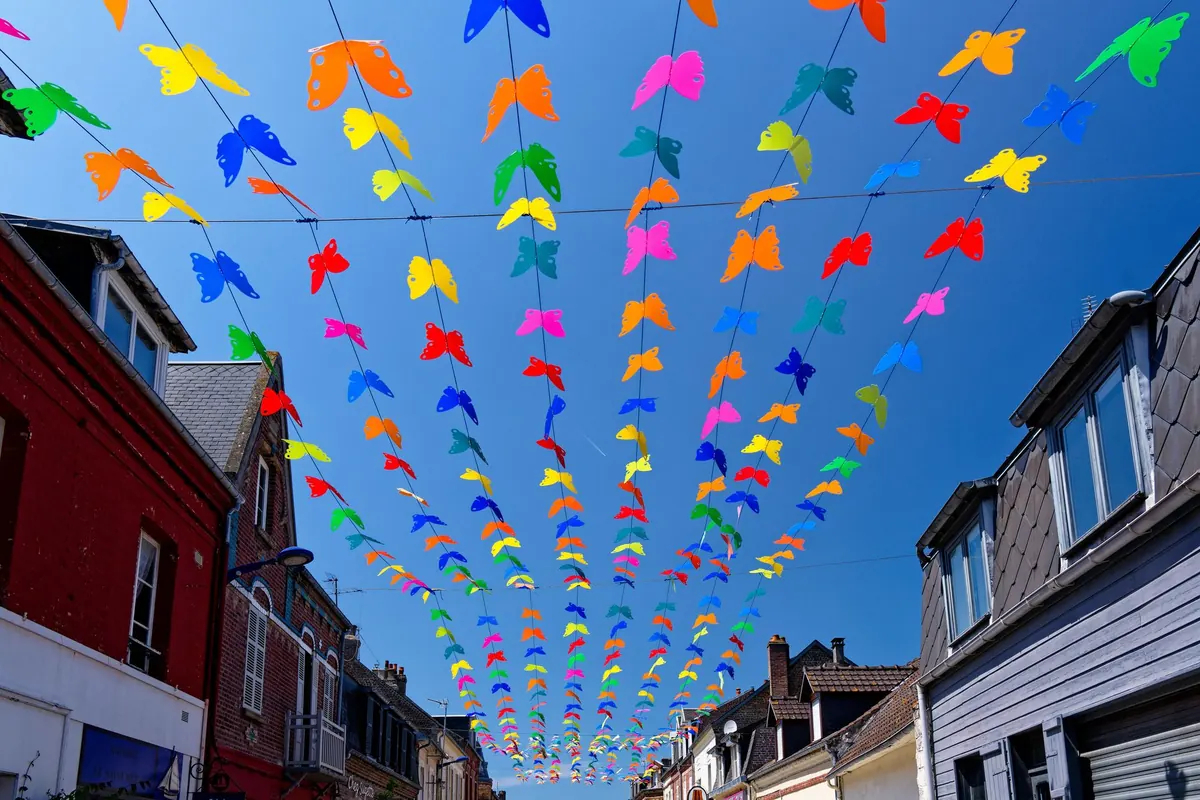
A brass band is tuning up behind the church. Two men are wheeling a long table down the middle of the street, and an elderly woman in black has already claimed her plastic chair at the corner, three hours before anything is supposed to begin. None of this is on the printed programme. Island festas keep two calendars at once — the one in the parish leaflet and the one in everybody's memory — and the moments visitors remember most are usually the ones nobody wrote down. The good news is that a festa is not hard to attend well. It asks for a little attention, decent clothing, and the willingness to be a guest rather than an audience.
What You're Actually Being Invited To
Most island celebrations began as a promise. A fishing village that survived a raid, a storm or a bad season gave its patron saint a day, and the day has been kept ever since, generation after generation, with the same route and roughly the same arguments about who carries what.
That history explains the shape of the event: a Mass, a statue carried out of the church on the shoulders of volunteers, a slow circuit through the streets, and then — some hours later — the eating, the band and the fireworks. Visitors often turn up expecting the second half and are surprised to find that the first half is the point. Treat the religious part the way you would treat a wedding in a family you don't know well: be present, be quiet, don't get in the way, and stay for the party if you're made welcome. Nobody minds a respectful observer. People do mind a selfie stick cutting across the procession.
The Clock Runs Differently: Timing a Festa
Printed programmes are a sketch, not a contract. A Mass listed for seven might start at quarter past, the procession might leave forty minutes after that, and dinner could begin at ten. Ask someone local a single question and you'll get a more useful answer than any leaflet: What time does the saint come out? In Italian, that's a che ora esce il santo? It is the question everyone understands.
Go for two or three days, not one
The evening of the festa is the climax, but the days before it are often better. Streets get strung with lights, someone rehearses the band in a garage, women who have made the same sweets for forty years take over a kitchen, and the church fills for the evening novena. If you arrive the morning of the big day and leave at midnight, you've seen the concert and missed the festival.
Plan your way home before the fireworks
On the main night, buses and ferries often run to a modified timetable, and the last boat may well leave before the display. Check the day before, in person, at the ticket office. Nothing takes the shine off a festa like realising at half past midnight that you are watching it from the wrong island.
What to Wear (and What to Leave in the Room)
Two settings, one outfit. A church asks for covered shoulders and knees, and men take their hats off; a harbour wall at one in the morning asks for a light layer against the sea breeze. A large scarf solves both. Leave the swimwear at the beach — even at night, in the village centre, nobody walks through a festa in a bikini top.
Wear flat shoes you can walk in. Festa streets are cobbled, greasy near the food stalls, and often slope. Evening temperatures on an island drop faster than most people expect, so a thin jacket earns its place in your bag. Black is traditionally a mourning colour in many island communities; it isn't forbidden, but don't imitate the older widows as though it were a style. And skip anything you'd be sorry to see splashed with wine or confetti.
Gifts, Food, and the Delicate Question of Money
If a family invites you into their home for the festa meal, arrive with something for the table, not for the saint. Pastries from the good bakery, a decent bottle, fruit, or a small thing from your own country all land well. Flowers are for the host, not the statue, unless you've seen other people carrying them. Don't turn up with a dessert that competes with the grandmother's recipe; offer bread, ice, or a pair of hands for the washing up instead.
Money needs care. Never press notes into an organiser's hand — it can embarrass everyone. The correct routes are the ones built into the event: the raffle ticket, the collection, the stall selling almond sweets to pay for next year's lights. Buying a ticket is the polite gesture, and it is also the funding model. If you want to give something religious, light a candle in the church; it is always welcome and never awkward.
The other gift is reciprocation. If neighbours feed you on the night of the festa, invite them back before you leave the island — not next summer.
In the Crowd: Small Rules That Matter
- Step back to the wall when the statue passes. Walk beside it and you block the people for whom this is the most important hour of the year.
- Be silent during the prayers. Phone on silent, conversation paused, no commentary for a video.
- Don't touch the statue or the men carrying it. Some of them are fulfilling a vow. It isn't a photo opportunity.
- Don't climb on walls, planters or bins for a better view. Find a step early and stay put.
- Buy something from the stalls. That's a family's fundraising, not a backdrop.
- Eat where the queue is local. The shortest line is rarely the best stall.
- Pace the wine. Island wine goes down easily and the night is long.
- Ask before photographing faces, especially older people and children.
- Learn two words: permesso when you squeeze past someone, and buona festa as a greeting. Both open doors.
Cameras, Fireworks, and the Moment to Stop Filming
Fireworks usually come late, launched from a harbour wall or a barge, and the first bang is often the signal that the night is ending. Stand upwind of the smoke, well back from the water's edge, and keep an eye on children in the dark. Dogs hate it; if you've befriended one during the week, it will be happier indoors.
Then there's the return. The statue comes back to the church, the band plays, people applaud and some of them cry. Put the phone down for that part. It lasts three minutes and it is the reason the rest of the evening exists.
A Short Checklist Before You Go
- Ask a local what time the saint comes out — and what time the night really ends.
- Confirm the last ferry or bus back, in person, the day before.
- Pack a scarf or light shirt for the church, flat shoes, and a layer for the evening.
- Carry small notes for stalls, raffle tickets and the collection.
- If you're invited to eat, bring pastries or wine and no opinions about the recipe.
- Keep the phone in your pocket during the procession and the return.
An island festa is one of the few things left that is staged for the islanders themselves, not for the people passing through. Turn up on time for the wrong parts, dress as though you're going into someone's home, spend a little at the stalls, and stay quiet when it matters. Do that and you'll be handed a plate, pointed towards a chair, and treated less like a tourist and more like a guest who happened to arrive that week.
Photo: Gu Bra / Pexels